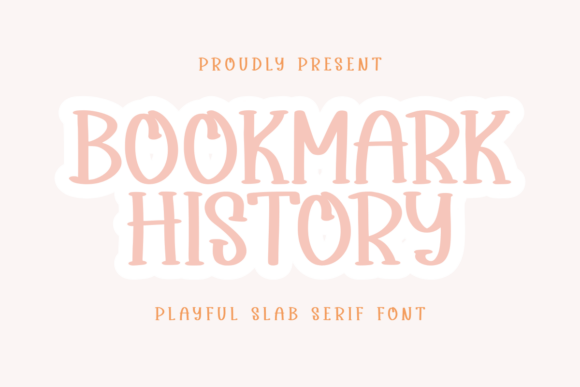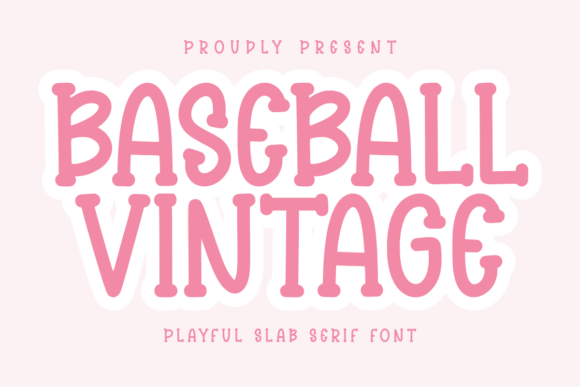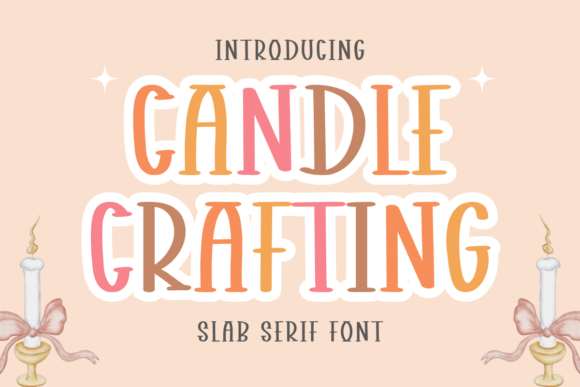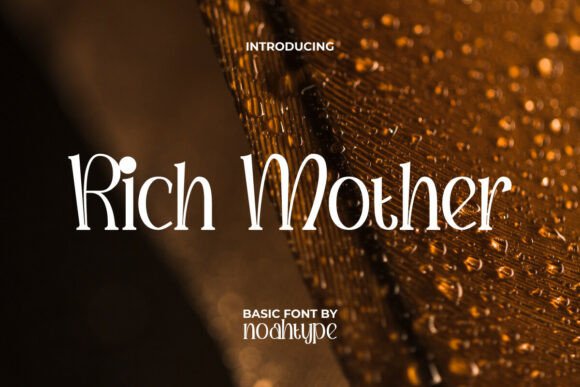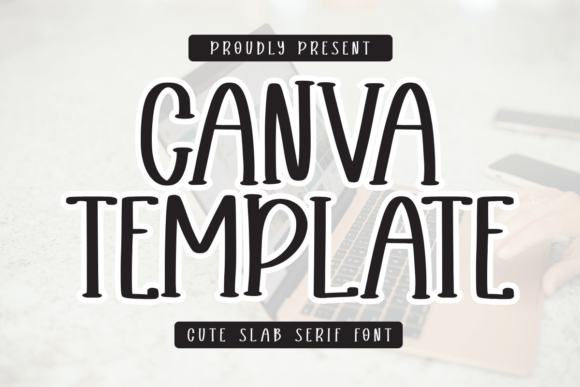
Canva Template: A Stylish Slab Serif Font
Working on a branding project for a small café recently, I found myself scrolling through dozens of fonts, trying to find one that felt just right. The client wanted something approachable, a bit playful, but still professional. That’s when I stumbled upon Canva Template—a cute and minimalist slab serif font that immediately caught my eye.
As a designer, I often start with a blank canvas, sketching out ideas for logos, packaging, and other brand elements. Canva Template was the first font I tried on a logo draft, and it transformed the whole look. The clean lines and subtle details gave the design a warm, inviting feel that matched the café’s vibe perfectly.
Visual Characteristics and Personality
Canva Template has a unique personality. It’s not overly bold or dramatic, but it has enough character to stand out. The slab serifs add a touch of sophistication, while the minimalism keeps things light and modern. This balance makes it versatile for different design applications.
When I used it on a menu mockup, it felt natural—like it belonged there. The font didn’t overpower the content, but it still made an impression. It’s the kind of font that works well in both digital and print formats, whether it’s on a social media post or a business card.
Applications in Branding and Design
One of the first places I tested Canva Template was on a shop sign. The font looked great at a distance, which is important for visibility. It also worked well on product labels, giving them a polished yet friendly appearance. For a handmade shop, this kind of font can help communicate quality without being too formal.
I also used it in a website header for a local restaurant. The font added a sense of clarity and structure, making the site feel more organized. It paired well with a simple sans serif for body text, creating a nice contrast that kept the design from feeling too static.
Readability and Brand Perception
Readability is always a concern, especially when working with display fonts. Canva Template strikes a good balance—it’s legible at various sizes and doesn’t strain the eyes. This makes it ideal for short-form text like headlines, callouts, and captions.
From a brand perception standpoint, Canva Template helps create a consistent visual identity. When used across different materials—business cards, packaging, social media posts—it reinforces the brand’s message and tone. It adds a level of professionalism while keeping the design approachable.
Best Uses for Canva Template
Canva Template works best as a display or headline font. Its style is perfect for logos, titles, and other prominent elements where you want to make an impact. However, it can also serve as an accent font in a larger typographic system, adding visual interest without overwhelming the reader.
In a recent project, I used it for a quote graphic on Instagram. The font stood out against the background and helped the message resonate more. It also looked great on a label sticker for a skincare product, where it added a touch of elegance without being too serious.
Practical Tips for Testing Canva Template
Before committing to a font for a full brand system, I always recommend testing it in different contexts. Try it on various materials—print, digital, large, small—and see how it holds up. Canva Template does well in most scenarios, but it’s good to check its performance in real-world applications.
Also, pay attention to the font’s weights and styles. Some slab serif fonts can be too heavy or too light, but Canva Template offers a range that allows for flexibility. Whether you need a bold version for a headline or a lighter weight for a subheading, it adapts well.
Font Pairing and Design Considerations
Pairing Canva Template with other fonts can enhance its impact. A classic serif font might complement it nicely for a more traditional look, while a modern sans serif could create a fresh, contemporary feel. I’ve found that pairing it with a clean, neutral typeface helps keep the design balanced.
For a creative studio’s website, I used Canva Template alongside a soft script font for a tagline. The combination felt cohesive and stylish, giving the site a personal touch. It’s all about finding the right mix that supports the brand’s identity without clashing.
Commercial Use and Licensing
For designers working on client projects, it’s important to consider licensing. Canva Template is available in multiple file formats, which makes it easy to integrate into different design workflows. The commercial license allows for use in branding, merchandise, and marketing materials, making it a reliable choice for professional work.
It also includes multilingual support, which is a big plus for international clients. Whether the project requires text in English, Spanish, or another language, the font remains consistent and readable.
Overall, Canva Template has become a go-to font for many of my design projects. Its blend of cuteness and minimalism makes it adaptable, and its clean aesthetic fits well with a variety of brand styles. Whether you’re working on a café’s identity or a boutique’s packaging, this slab serif font can help bring your vision to life.